



National Food of Nepal: Dal Bhat — The Dish That Powers a Nation
by Shop Editor on 22/06/2022
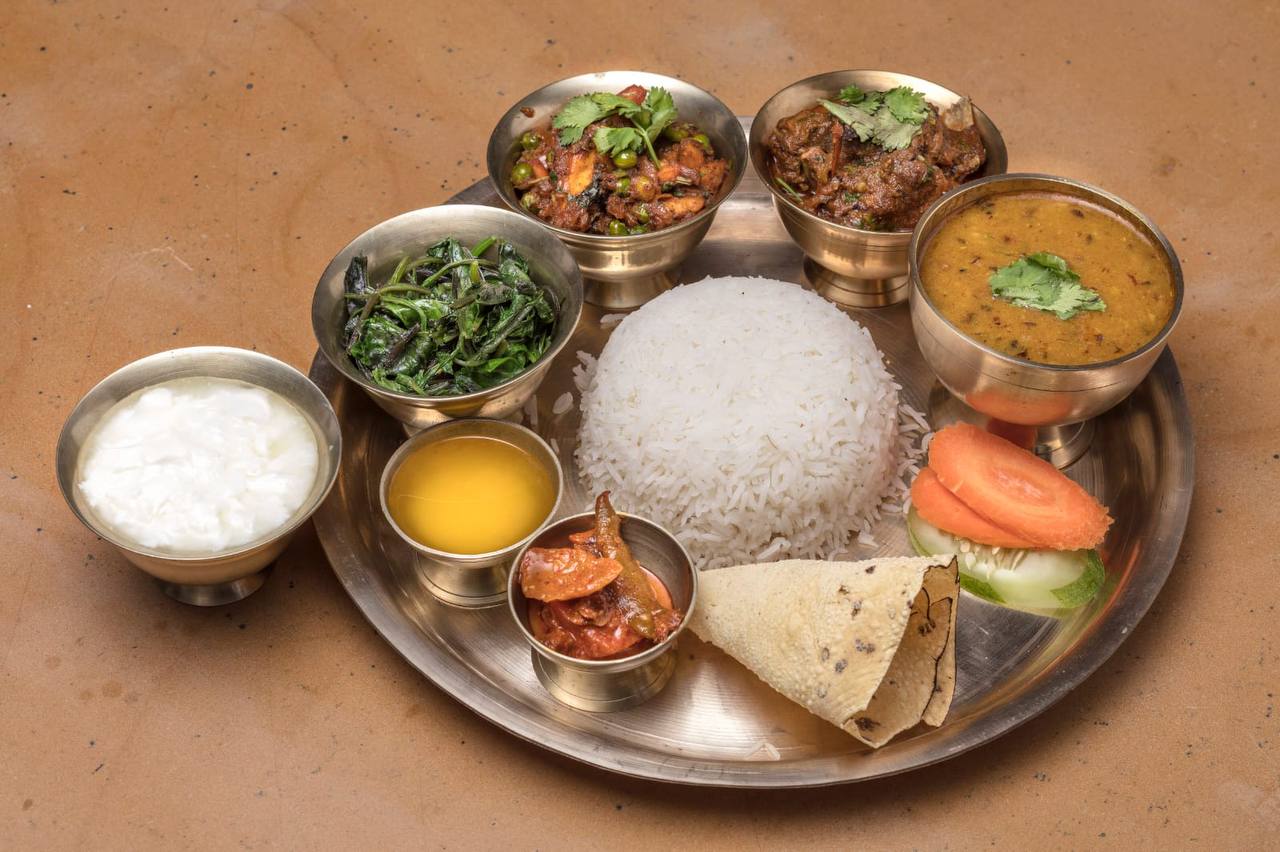
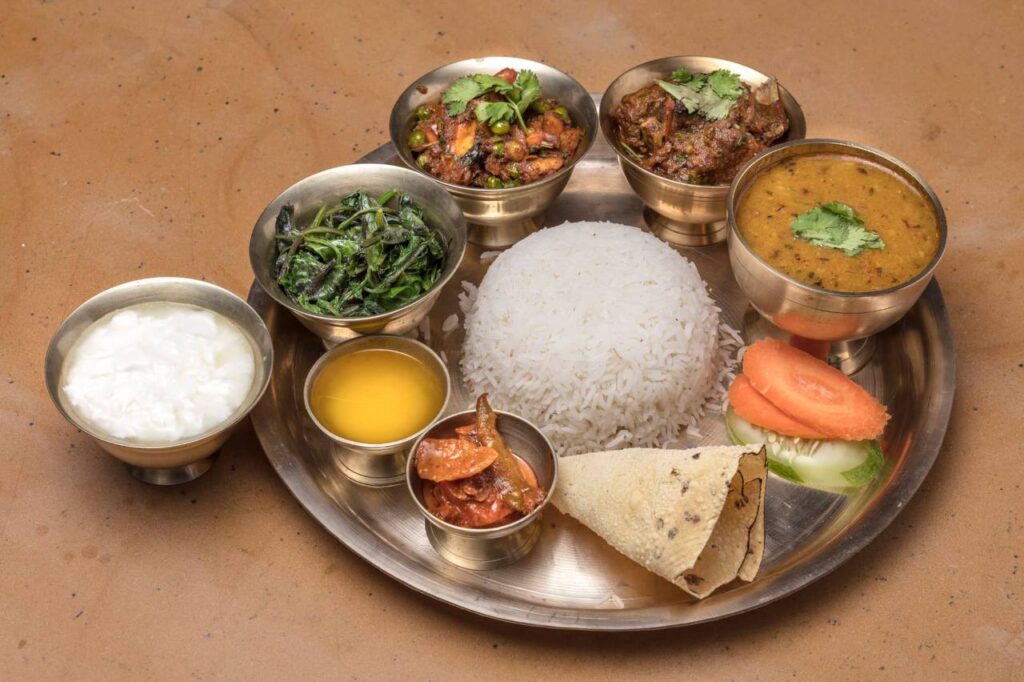
Table of Contents
What Is the National Food of Nepal?
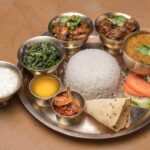
The national food of Nepal is Dal Bhat — a wholesome combination of steamed white rice (bhat) served alongside a warm, spiced lentil soup (dal). Despite Nepal’s remarkable diversity in topography, culture, and religion, Dal Bhat is the one thing that unites virtually every Nepali household, from the Himalayan highlands to the Terai plains.
Lentil soup is enjoyed across the Middle East and the Indian subcontinent, but the distinctive dal bhat food tradition — the specific combination, preparation style, and cultural centrality — originated in Nepal and has been passed down through generations. Over time, this culinary tradition has spread to parts of India and Bangladesh as well.
As the national dish of Nepal, Dal Bhat is far more than a meal. It is identity, sustenance, and daily ritual all in one bowl.
Why Dal Bhat Is More Than Just Food
Nepali people have a beloved saying: “Dal Bhat power, chaubis ghanta” — meaning Dal Bhat gives you energy for twenty-four hours. This poetic belief has resonated so strongly that it is now famous among international trekkers and visitors to Nepal. Ask any porter or guide on the Annapurna or Everest trails, and they will tell you the same thing: Nepali food dal bhat is the engine that keeps them going.
For most Nepali people, dal and bhat (chawal bhat) is the foremost priority in their daily diet — eaten at least once, and often twice, every single day.
Dal Bhat Tarkari and Side Dishes
A complete dal bhat tarkari or dal bhat sabji set typically includes more than just lentils and rice. Fresh seasonal vegetables (tarkari) are almost always served alongside, making it a well-rounded plate. A full dal bhat set may include:
- Tarkari (sabji): Sautéed or curried seasonal vegetables — spinach, cauliflower, green beans, or potato
- Achar: Pickles made from tomato, radish, or mixed vegetables
- Salads: Fresh cucumber, radish, and carrots
- Papad (papadum): Thin crispy wafers, commonly served as a crunchy accompaniment
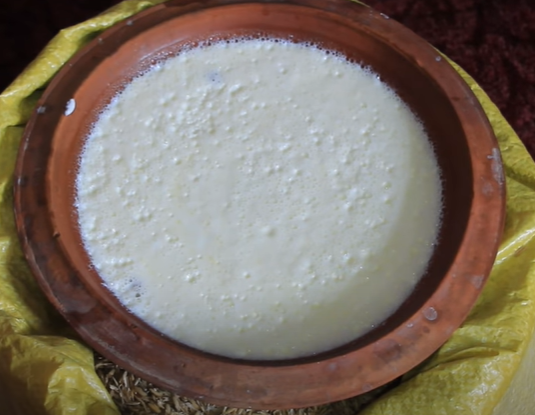
- Dahi (curd): Plain yogurt that aids digestion
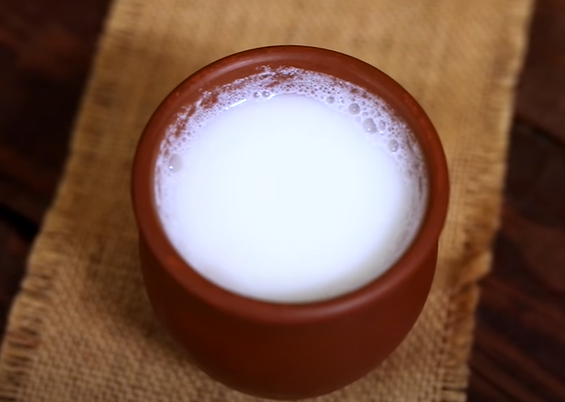
- Mohi (buttermilk): A cooling, probiotic-rich drink
- Rice with milk: Sometimes served sweetened with banana, treacle (khudo), or honey
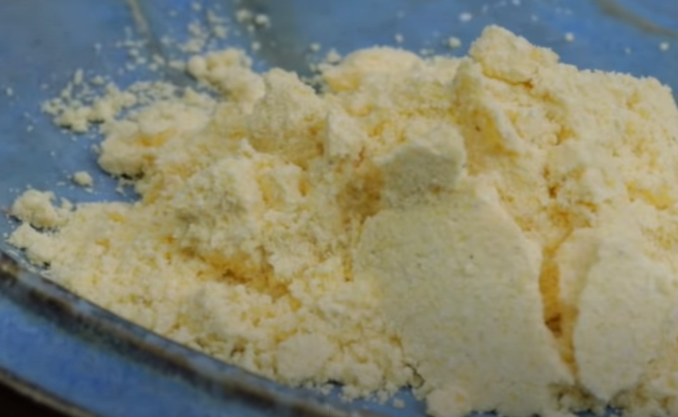
In hilly and mountainous areas — a style often called pahadi dal bhat — rice is frequently substituted with corn grits (atho or chyakhla), buckwheat or millet pudding (dhido), or wheat flatbread (roti). These regional variations reflect Nepal’s geography while preserving the soul of the dish.
Dal Bhat Ingredients and Nutritional Value
The simplicity of dal bhat ingredients belies their extraordinary nutritional profile. Together, lentils and rice form a complete meal rich in:
- Protein: Lentils are the second richest source of plant-based protein after soybeans.
- Carbohydrates: Rice provides long-lasting energy — the basis of the “24-hour power” claim.
- Amino acids: Essential for muscle repair and overall health.
- Vitamin B complex: Supports nervous system function and energy metabolism.
- Magnesium and Iron: Critical for oxygen transport and bone health.
- Zinc: Supports immune function.
- Soluble fiber: Helps lower LDL cholesterol and supports gut health.
- Folate: Particularly important for women of reproductive age.
Historically, lentils were prized by ancient Egyptian royalty, while paradoxically being considered “poor man’s food” in ancient Greece. Archaeological evidence places lentil domestication as far back as 8000 BC. Today, lentils have been reclaimed as a true superfood — especially vital for vegans and those reducing meat consumption.
Types of Lentils Used in Nepali Dal Bhat
Nepali cuisine uses a wide variety of lentils, each with a distinctive flavor and texture. The most common varieties found in a traditional bhat dal preparation include:
| Nepali Name | Common Name | Notes |
|---|---|---|
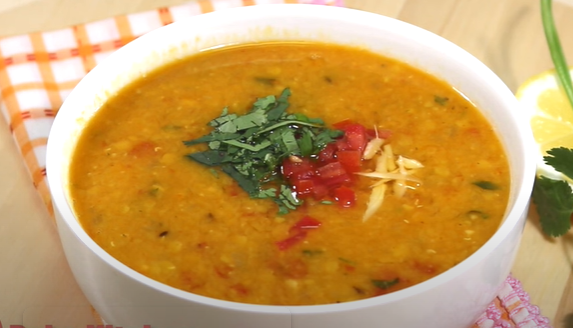
| Musuro | Red lentil | Mild, quick-cooking; most common everyday dal |
| Rahar dal | Red gram / Toor dal | Slightly earthy; widely used in the Terai |
| Mas dal | Black gram / Urad dal | Rich, creamy texture; popular in festive cooking |
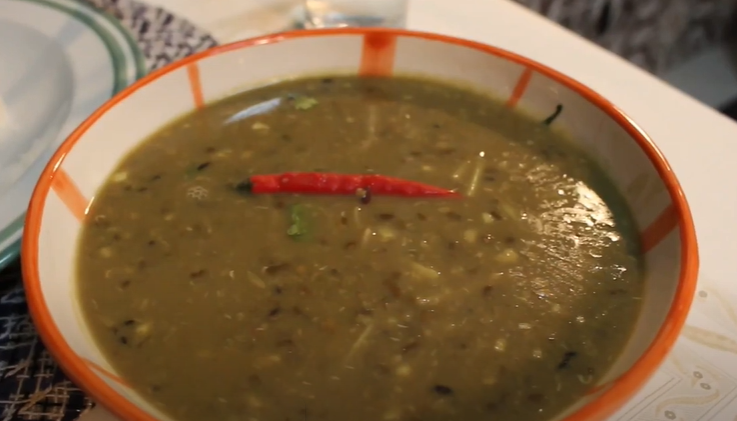
| Moong dal | Green gram / Mung bean | Light and easy to digest; popular moong dal bhat |
| Kala bhat dal | Black lentil mix | A regional favorite; also called kala bhatt dal |
Unlike beans, lentils require no overnight soaking and are readily available in dried form at any local market (bazar). Nepali families also prepare Kwati, a nutritious mixed-legume soup made by soaking and boiling nine types of beans, peas, and grams together — often prepared during the festival of Janai Purnima.
How Dal Bhat Is Cooked: Traditional vs. Modern
Traditionally, bhat food in Nepal was slow-cooked over wood fires. Dal was simmered in brass pots called Kasaudi, infused with whole and ground spices including:
- Turmeric (besar)
- Cumin (jeera)
- Coriander (dhaniya)
- Fresh ginger (aduwa)
- Garlic and dried red chili
This slow method extracted deep flavors and was the standard across Nepali kitchens for centuries.
With modernization, most households now use a pressure cooker, which dramatically reduces cooking time while retaining nutritional value. The Kasaudi and the wood-fire hearth (chulo) are becoming rare — a nostalgic memory for older generations, even as the dish itself remains timeless.
Most Nepali people eat dal and rice with their right hand, in keeping with longstanding cultural tradition, rather than using utensils like forks or spoons.
Rice in the Nepali Dal Bhat Set
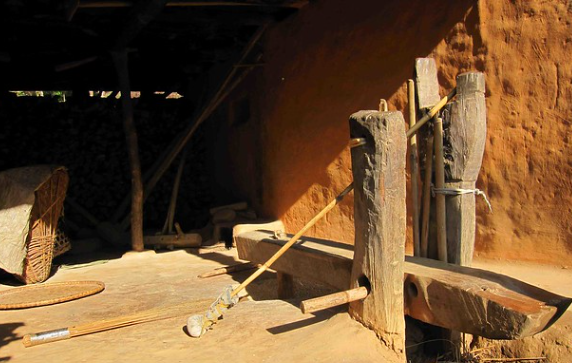
Rice — chawal bhat — is the foundation of the national dish of Nepal. Traditionally, Nepali households consumed brown rice milled using hand-operated rice mills called Dhiki, which could not fully remove the outer bran layer. This meant rice was naturally less refined and richer in fiber.
With modernization, Dhiki mills have nearly disappeared. Fewer families grow their own paddy, and most Nepali people now rely on packaged, polished white rice as their daily staple. While this has changed the nutritional profile slightly, the ritual and cultural significance of dal bhat chawal remains completely unchanged.
Easy Dal Bhat Recipe
This is a straightforward easy dal bhat recipe that captures the authentic flavor of Nepali food dal bhat tarkari at home.
Ingredients (Serves 4)
For the Dal:
- 1 cup red lentils (musuro) or moong dal, washed
- 3 cups water
- 1 tsp turmeric
- Salt to taste
- 1 tbsp ghee or mustard oil
- 1 tsp cumin seeds
- 2 cloves garlic, minced
- 1 tsp fresh ginger, grated
- 1 dried red chili
For the Bhat (Rice):
- 2 cups white rice, washed
- 3.5 cups water
- Pinch of salt
For the Tarkari (Sabji):
- 2 cups seasonal vegetables (potato, cauliflower, spinach)
- 1 tbsp oil
- ½ tsp turmeric, cumin, coriander
- Salt to taste
Instructions
- Cook the dal: Boil lentils with turmeric and salt until soft (about 20 minutes, or 8 minutes in a pressure cooker). In a separate pan, heat ghee, add cumin seeds, garlic, ginger, and dried chili. Pour this tarka (tempering) over the cooked dal and stir.
- Cook the rice: Bring salted water to a boil, add washed rice, cover, and simmer on low for 15–18 minutes until fluffy.
- Cook the sabji: Sauté vegetables in oil with turmeric, cumin, coriander, and salt until tender.
- Serve: Plate rice in the center, pour dal generously over or alongside, add tarkari, achar, and papad as desired.
Pro Tip: For authentic pahadi dal bhat flavor, use mustard oil for tempering and finish the dal with a squeeze of fresh lemon.
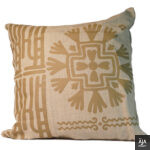
In the meantime, you can checkout: Tharu: Their Art, Ornaments, and Tattoos | Aja Dynasty Tharu Cushion Cover: Tharu Tattoo
FAQ
What is the national food of Nepal?
The national food of Nepal is Dal Bhat — steamed rice served with spiced lentil soup. It is eaten daily by people across all regions and ethnicities of the country and is deeply embedded in Nepali cultural identity.
What is dal bhat in English?
Dal bhat translates literally to “lentil rice” in English. Dal (also spelled daal or dhal) refers to lentil soup, while bhat means cooked rice. Together they form Nepal’s most iconic and beloved meal.
What are the main dal bhat ingredients?
The core dal bhat ingredients are lentils, rice, water, turmeric, cumin, coriander, ginger, garlic, and a tempering of oil or ghee. A full dal bhat tarkari set also includes seasonal vegetables, pickles (achar), and sometimes curd or papad.
Is dal bhat healthy?
Yes. Dal bhat food is highly nutritious. Lentils are rich in plant protein, iron, folate, and fiber. Rice provides complex carbohydrates for sustained energy. Together they form a nutritionally complete meal — which is why Nepali people say it powers them for 24 hours.
What is the difference between dal bhat and dal bhat tarkari?
Dal bhat refers to the basic combination of lentil soup and rice. Dal bhat tarkari (or dal bhat sabji) refers to the fuller meal that includes cooked vegetables (tarkari/sabji) as a side dish — which is how it is typically served in Nepali homes and restaurants.
Where can I find dal bhat near me?
If you are searching for dal bhat near me, look for Nepali restaurants, South Asian eateries, or Himalayan cuisine restaurants in your city. Many cities with Nepali diaspora communities have authentic dal bhat set options available.
What is a moong dal bhat recipe?
A moong dal bhat recipe follows the same process as standard dal bhat but uses green gram lentils (moong dal), which are lighter, quicker to cook, and easier to digest. They are especially popular for children and those with sensitive stomachs.
Further reading: [Explore more Nepali cuisine and culture] | [Trekking in Nepal: What to Eat on the Trail]
Sources: Food and Agriculture Organization of the United Nations (FAO) — Legumes: Seeds of Life; Archaeological evidence on lentil domestication cited in Nesbitt, M. (2005). “Grains” in The Cultural History of Plants.

Get the Latest
Subscribe Now
Sign up for Aja Dynasty emails to be the first to see inspiring content, news, new product announcements and exclusive offers.
Rewards