



Tharu Cushion Cover: The Ancient Tattoo Art That Almost Disappeared
by Shop Editor on 21/06/2022
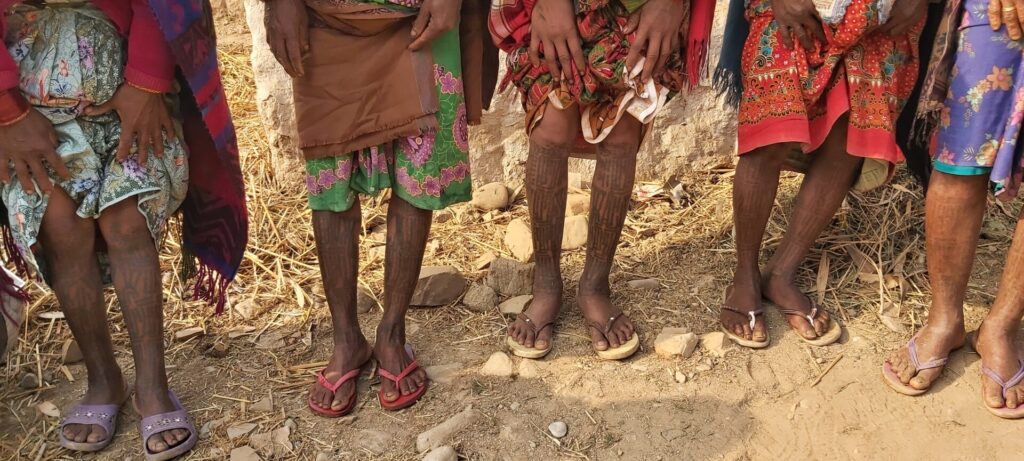
Have you ever argued with your parents to get one small tattoo? Most of us have been there. But in one community in Nepal, that argument never happened — because tattoos weren’t rebellion. They were tradition.
The Tharu ethnic community of Nepal has practiced tattooing for generations. And here’s the part that surprises most people: it was the women, not the men, who carried this tradition on their skin.
What Is Tharu Tattoo Culture?
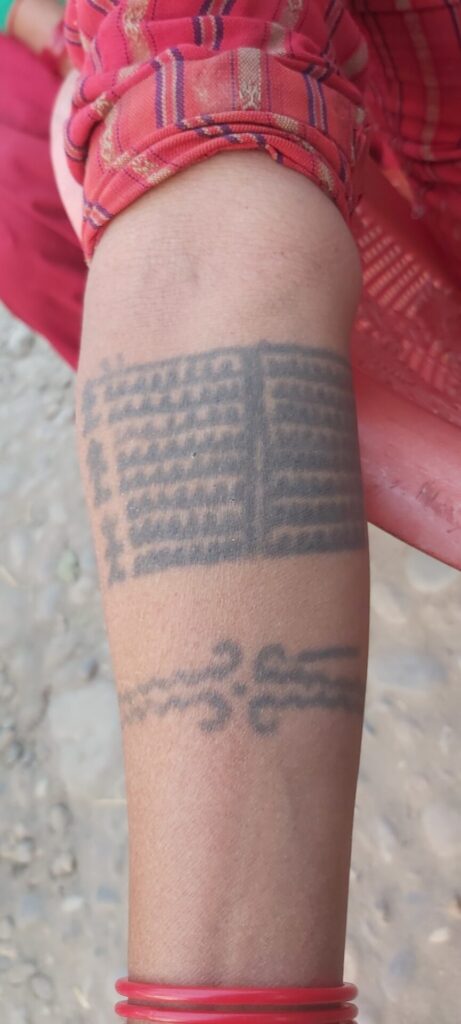
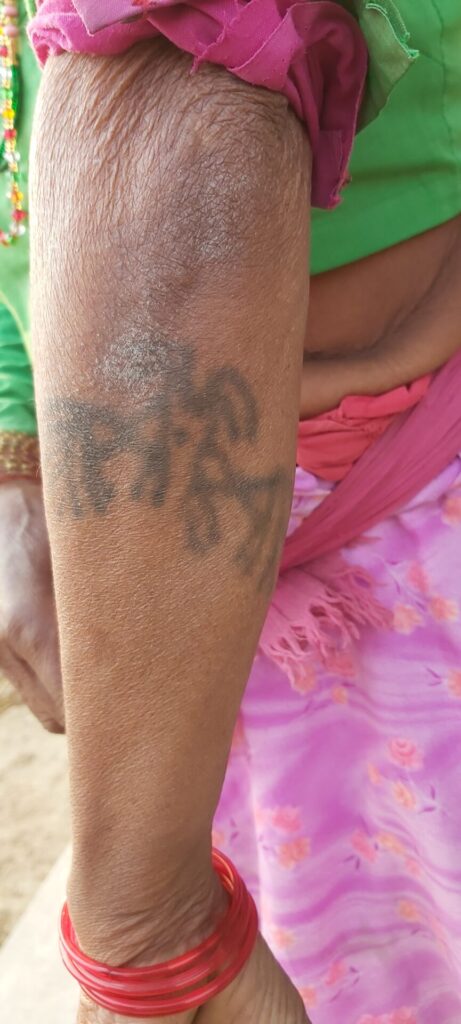
In the Tharu community, tattooing goes by the name “Khodna” or “Godna.” These are not decorative tattoos picked off a studio wall. Every design comes from the natural world around them — rays of the sun, peacocks, peanut plants, snakes. Some women also wore symbols like temples, cooking pots, hearts, or the names of gods on their bodies.
The designs were personal. Earned. Tied to belief.
Why Did Tharu Women Get Tattooed?
There were several reasons, and none of them were about trends.
Spiritual protection. Tharu women believed that being tattooed secured a place in heaven. Without tattoo marks, you risked ending up in the other place entirely. So for many, it wasn’t optional — it was insurance.
Healing. When someone had pain in a part of the body, a tattoo was applied to that spot. The belief: the act of tattooing opened a path for the pain to leave. No doctor, no medicine — just ink and faith.
Newborn rituals. Even babies weren’t spared. Infants were tattooed on their legs, hands, or chest as part of Hindu-influenced rituals, following the same spiritual beliefs that adults held.
Fertility. A married woman who couldn’t conceive was advised to get a tattoo on her chest. Whether this worked is another matter, but the belief was real and widely followed.
Permanent jewelry. For Tharu women, tattoos were not separate from beauty — they were beauty. Permanent jewelry, worn on the body rather than hung around the neck. Before young Tharu girls were married, getting tattooed was considered both normal and necessary.
The Dark History Behind the Ink
This part of the story is harder to hear.
Tharu women also used tattoos to protect themselves from being taken as sex slaves by royal and powerful men. Tattooed skin was considered unappealing to those men, which made the ink a form of armor. That women had to mark their own bodies to avoid exploitation says something deeply uncomfortable about the time — and the power structures that existed.
The tattoo was never just decoration. It was survival.
A Culture That’s Disappearing
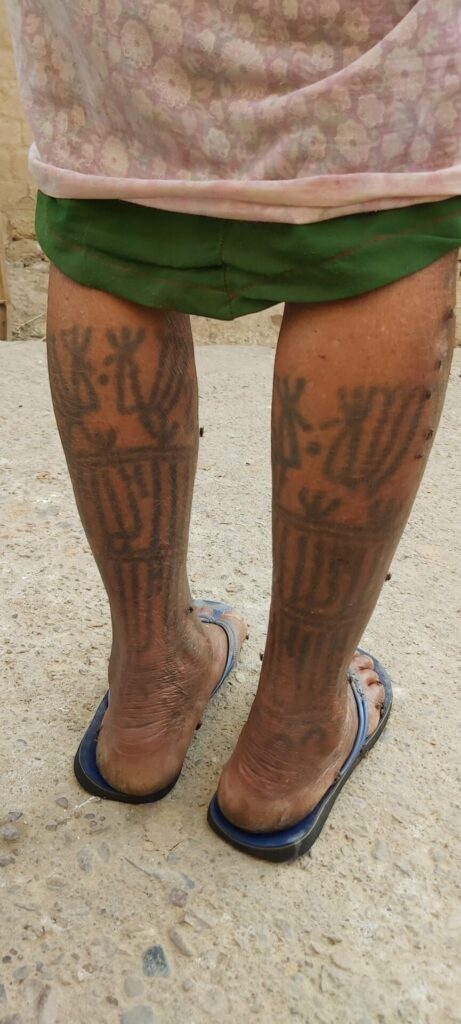
Today, you’ll only find these traditional tattoo marks on the bodies of older Tharu women. Younger generations have largely moved away from the practice. Modernization brought change, and this particular tradition didn’t survive the transition.
That’s not a small loss. These were not random designs. They were stories — of belief, of protection, of identity — carried on skin for a lifetime.
How the Tharu Cushion Cover Keeps It Alive
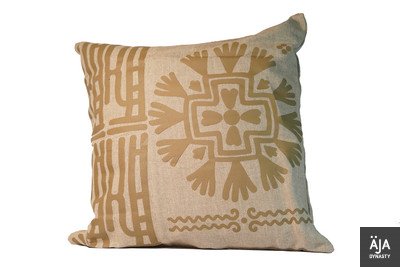
Aja Dynasty created the Tharu cushion cover as one small way to keep this tradition visible.
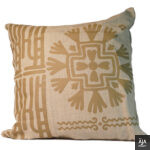
The designs on these cushion covers are drawn directly from Tharu tattoo patterns — the same motifs that Tharu women wore on their bodies for generations. Buying one doesn’t just add something to your sofa. It connects your home to a story that might otherwise disappear entirely.
The Tharu cushion cover comes in:
- 2 sizes to fit different cushions
- 4 designs — Tharu Cushion Cover 1, 2, 3, and 4 — each featuring distinct Tharu tattoo motifs
These also work well as outdoor cushion covers, since the fabric holds up across different settings.
For photos and full size details of each design, visit the Aja Dynasty Shop section.
FAQs
What is a Tharu cushion cover?
A Tharu cushion cover is a decorative cushion cover inspired by the traditional tattoo art (“Khodna” or “Godna”) of the Tharu ethnic community in Nepal. Aja Dynasty produces these covers in 4 designs and 2 sizes.
What designs are on the Tharu cushion covers?
The patterns come from traditional Tharu tattoo motifs — including images of peacocks, the sun, snakes, and peanut plants — the same symbols Tharu women traditionally wore as tattoos on their bodies.
Can Tharu cushion covers be used outdoors?
Yes. They work as outdoor cushion covers, though we recommend checking the specific care instructions for each design in the shop.
Where can I buy Aja Dynasty’s Tharu cushion covers?
You can find all 4 designs and both size options in the Aja Dynasty Shop section on their website.
Why is Tharu tattoo culture important to preserve?
Tharu tattooing is a centuries-old practice tied to spirituality, healing, and identity. As modernization has reduced the practice among younger generations, objects like the Tharu cushion cover help document and carry these designs forward.
Related: Tharu Culture and Heritage · Handmade Cushion Covers from Nepal
Sources: Aja Dynasty, field documentation of Tharu tattoo practices in the Terai region of Nepal


Get the Latest
Subscribe Now
Sign up for Aja Dynasty emails to be the first to see inspiring content, news, new product announcements and exclusive offers.
Rewards